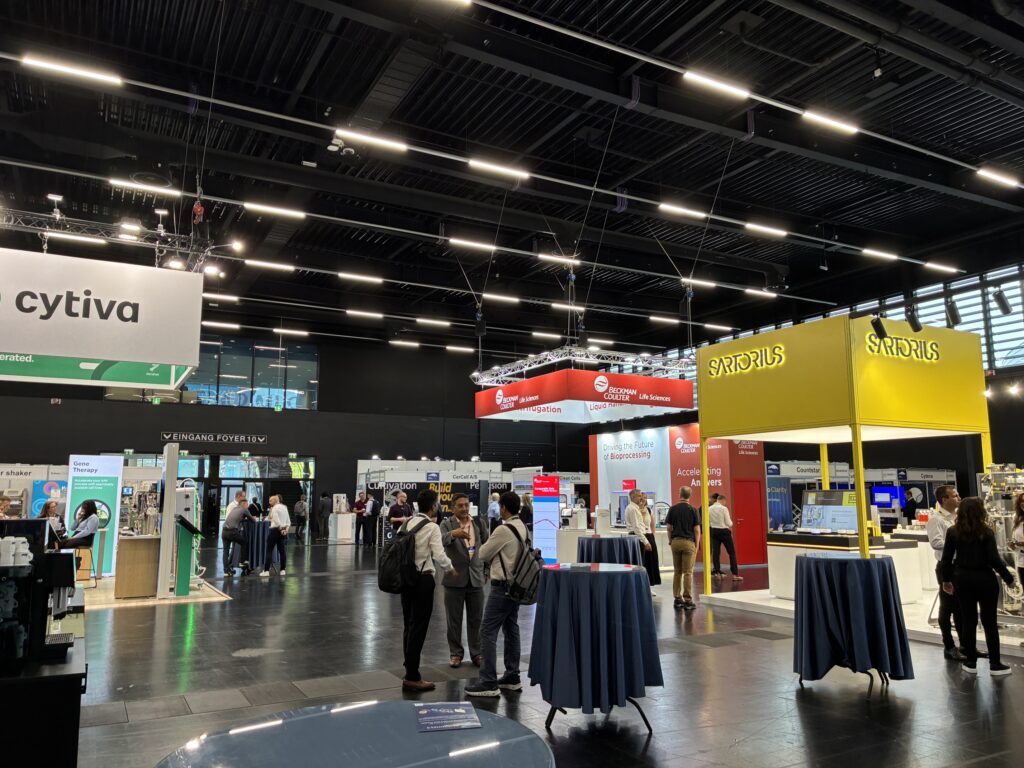
From June 7 to 10, Salzburg (Austria) hosted the 29th edition of the European Society for the Advancement of Cell Technology (ESACT) meeting, one of the leading international events dedicated to cell culture technologies and biologics manufacturing.
The event brought together nearly 1,000 professionals, researchers, and representatives from the biotechnology industry to share knowledge and discuss the latest scientific and technological advances in the field of animal cell culture.

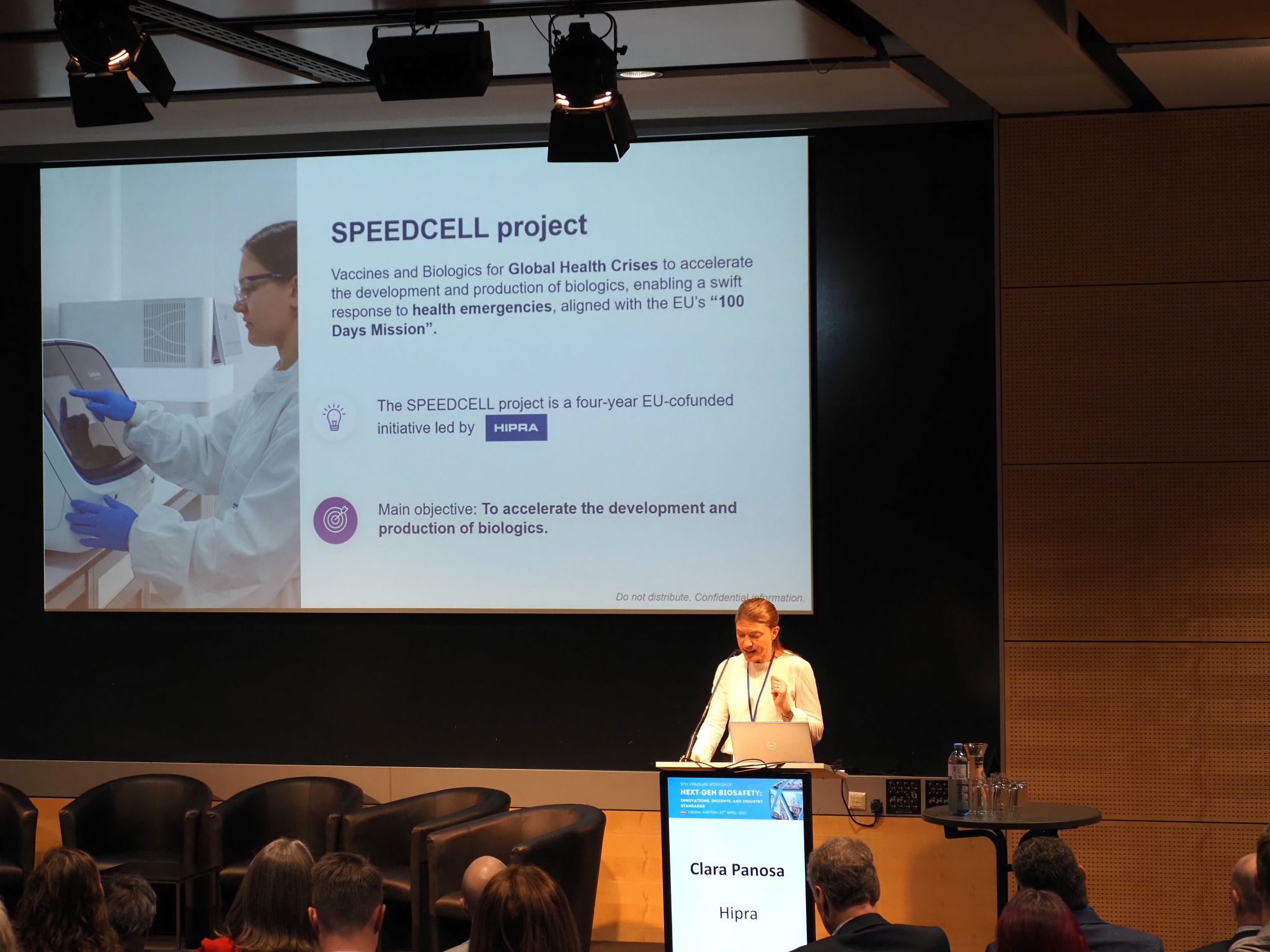
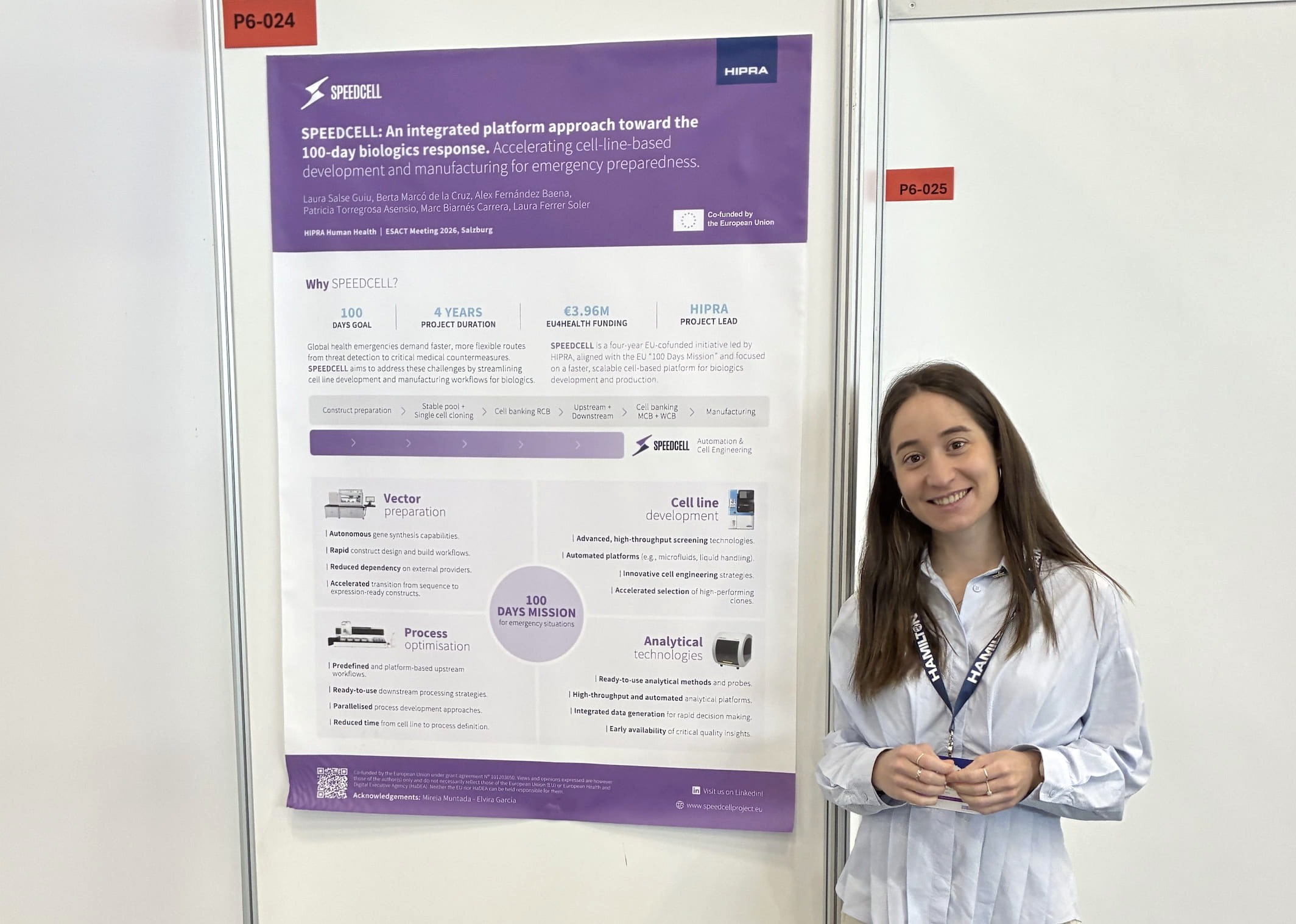
In this context, HIPRA presented a scientific poster of the SPEEDCELL project, providing an overview of the initiative to experts from the international scientific community and gaining insights into the latest trends in areas such as emerging technologies applied to biologics manufacturing.
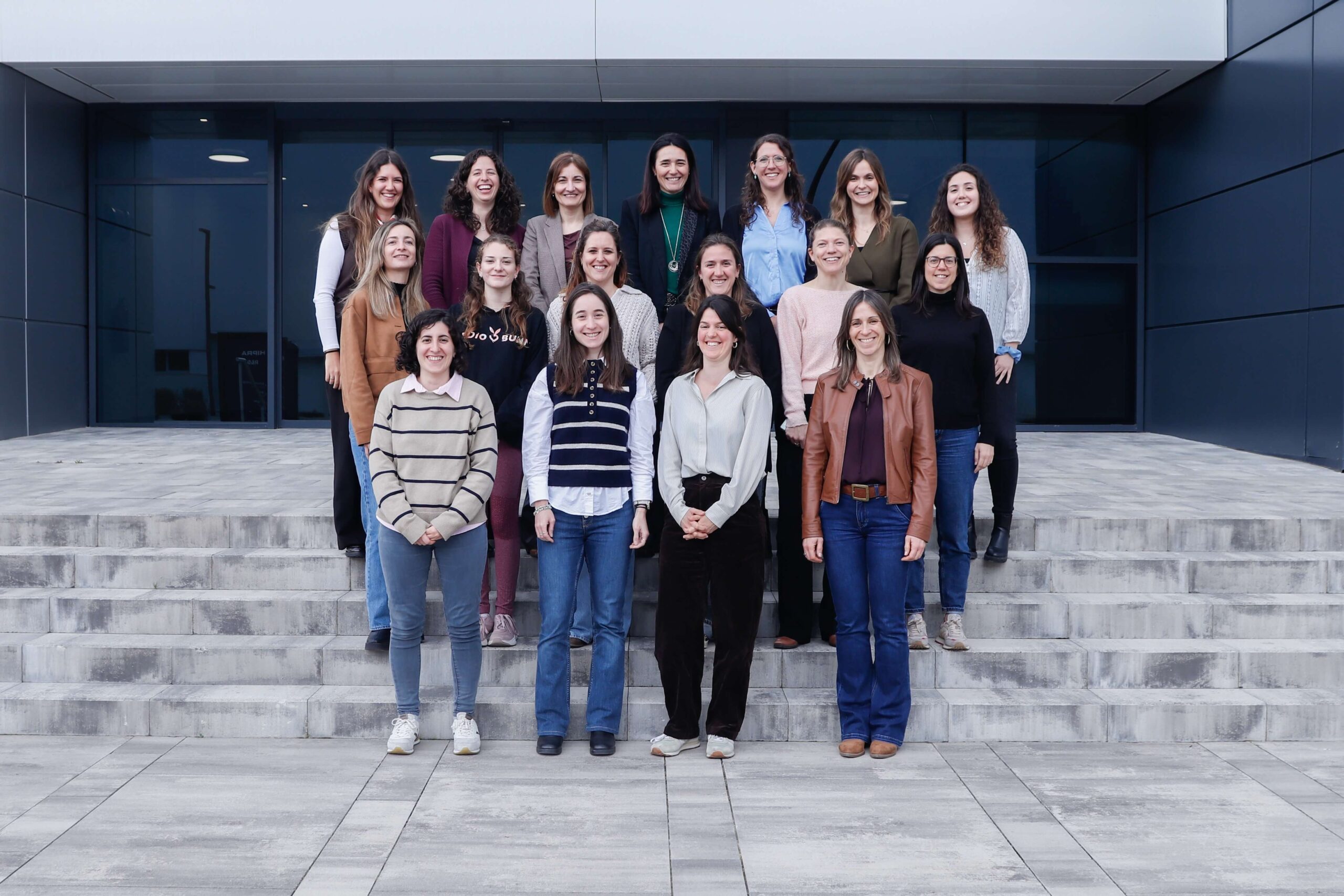
Laura Salse, Senior Researcher at HIPRA Human Health R&D area, highlighted the importance of continuing to participate in international scientific forums such as ESACT: “ESACT has been a very valuable opportunity to present SPEEDCELL and connect with the latest advances in cell culture technologies and biological production. The sector is clearly moving towards more automated, digitalized and data-driven platforms, capable of accelerating development while maintaining quality, robustness and scalability.”

Salse also stated: “In this context, SPEEDCELL represents a commitment to integrating capabilities and technologies that can help shorten the development timelines of vaccines and other biological products. Our goal is to contribute to making Europe better prepared to respond rapidly and flexibly to future health emergencies.“
A special edition
The 2026 edition also held special significance for the scientific community, as it coincided with the 50th anniversary of the first ESACT meeting, held in Amsterdam in 1976.
Under the theme “50 Years of Progress – and still going beyond”, the conference focused on the evolution of cell technologies and their impact on areas such as recombinant protein production, cell and gene therapies, and the development of biotechnological processes.
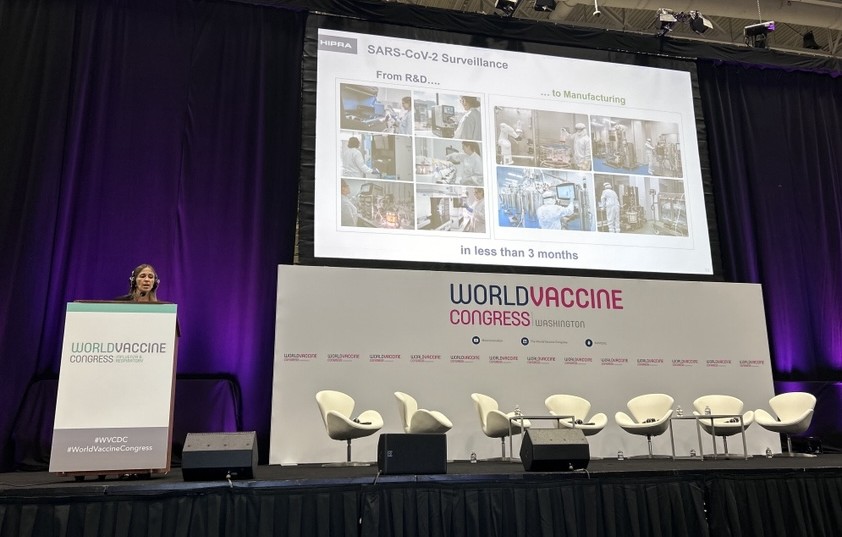
HIPRA’s participation in this event reinforces its commitment to research and scientific innovation, as well as to international collaboration and knowledge exchange, helping to drive the development of high-value biotechnological solutions that will contribute to improving preparedness for future health emergencies.